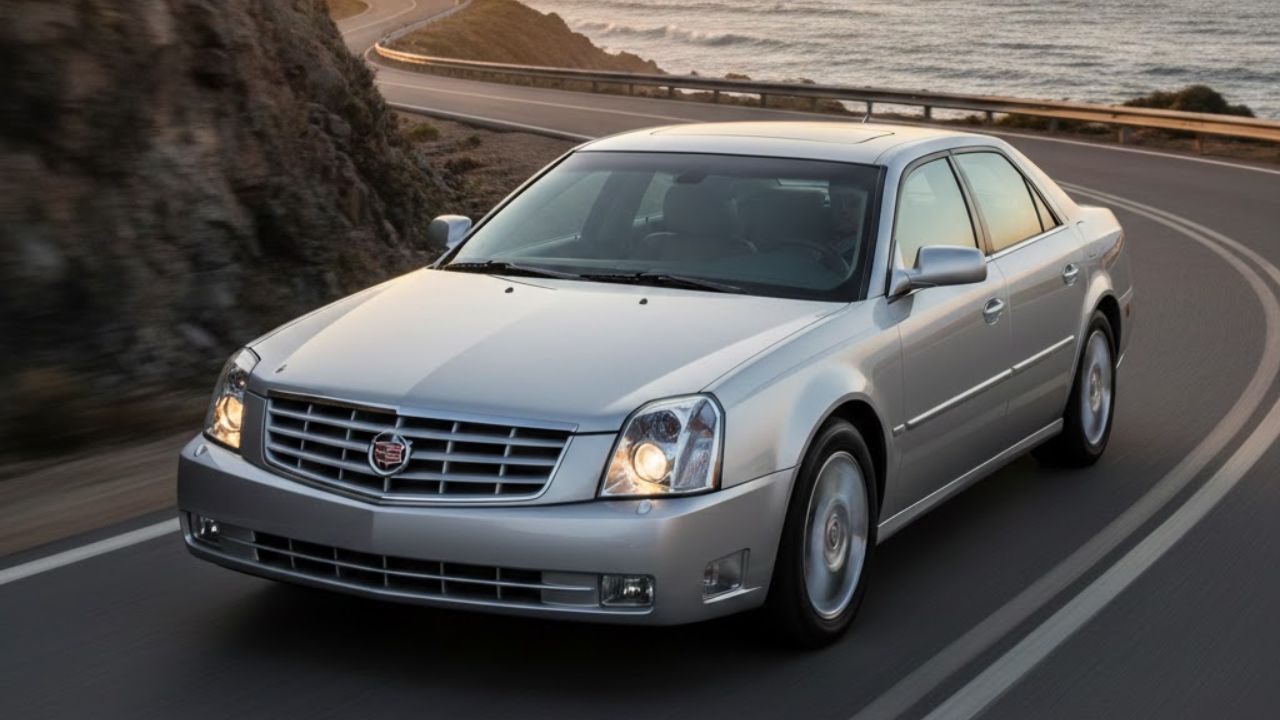
The Cadillac BLS remains one of the most intriguing “what-ifs” in automotive history. Launched in 2006, it was a bold attempt by General Motors to penetrate the European luxury market by wrapping American “Art & Science” aesthetics around a proven Swedish chassis. Though it shared much of its DNA with the Saab 9-3, the BLS aimed to offer a more distinct, sharp-edged alternative to the sea of German sedans dominating the era. Today, it stands as a unique, budget-friendly entry into luxury car ownership for those who appreciate exclusivity and quirkiness over brand prestige.
Performance and Powertrain Dynamics
Performance in the Cadillac BLS is a tale of three distinct flavors: efficiency, balance, and raw power. Most European examples are found with the 1.9-liter TiD diesel engines, which prioritize torque and fuel economy. These units, sourced through GM’s partnership with Fiat, provide a steady pull that makes highway cruising effortless, though they lack the refinement found in modern common-rail systems. For those seeking more engagement, the 2.0-liter turbocharged four-cylinder petrol engines offer a spirited driving experience, mirroring the nimble feel of the Saab 9-3. At the top of the food chain sits the 2.8-liter V6 turbo, a powerhouse that transforms the compact sedan into a sleeper, capable of reaching 100 km/h in under seven seconds.
Interior Comfort and Build Quality
Stepping inside the BLS reveals a cabin that is undeniably better than the American Cadillacs of the same period, thanks to its Swedish assembly. While the dashboard layout is clearly inherited from Saab, Cadillac added its own signature touches, such as a vertical analog clock and higher-grade leather options in the “Elegance” and “Sport Luxury” trims. The seats are a highlight—supportive enough for long-distance travel without feeling overly firm. However, prospective buyers should note that rear legroom is somewhat cramped compared to modern standards, making the “Wagon” (Estate) version a more practical choice for families requiring extra cargo versatility.
Technical Specifications Overview
To better understand how the various models compare, the following table breaks down the primary engine configurations available during the production run.
| Engine Type | Displacement | Horsepower | Top Speed | Drive Type |
| 1.9 TiD (Diesel) | 1910cc | 150 hp | 210 km/h | Front-Wheel Drive |
| 1.9 TTiD (Diesel) | 1910cc | 180 hp | 220 km/h | Front-Wheel Drive |
| 2.0T (Petrol) | 1998cc | 175 hp | 215 km/h | FWD / AWD |
| 2.0T High Output | 1998cc | 210 hp | 230 km/h | FWD / AWD |
| 2.8T V6 (Petrol) | 2792cc | 255 hp | 245 km/h | FWD / AWD |
Reliability and Common Ownership Issues
The reliability of the Cadillac BLS is generally tied to its Saab 9-3 underpinnings. Mechanically, the Ecotec and TiD engines are robust, often reaching high mileages if oil changes are strictly followed. However, the model is known for electrical gremlins, particularly with the climate control modules and power window regulators. Suspension components, especially front coil springs and bushings, tend to wear prematurely on rougher roads. The good news for owners is that because it shares so many parts with the Saab 9-3 and Opel Vectra, mechanical repairs are relatively affordable and parts are still widely available through specialized European car suppliers.
Essential Buying Tips for Collectors
When hunting for a used BLS, the most critical factor is the service history. Look for evidence of timing belt replacements on the 1.9 diesel and 2.0 petrol engines, as a failure can be catastrophic. The 2.8 V6 models are rare and desirable but check for any signs of timing chain stretch, which is a labor-intensive fix. Ensure all interior electronics—from the infotainment screen to the heated seats—are fully functional, as these modules can be difficult to source. Finally, prioritize models with the “Wagon” body style; they not only offer better utility but also tend to hold their value slightly better due to their rarity.
The Verdict on the Cadillac BLS
The Cadillac BLS may not have achieved the “BMW-killer” status GM hoped for, but it remains a fascinating piece of automotive trivia that offers genuine luxury for a fraction of the cost of its rivals. It provides a comfortable, quiet ride with styling that still looks sharp over a decade later. For a buyer who wants something different from the standard executive choices and doesn’t mind explaining what they drive at every petrol station, the BLS is a rewarding, characterful companion that bridges the gap between American flair and European engineering.
FAQs
Q1 Is the Cadillac BLS sold in the United States?
No, the BLS was specifically designed for the European and international markets; it was never officially sold or marketed in North America.
Q2 Are parts hard to find for the BLS?
Mechanical parts are easy to find because they are shared with the Saab 9-3 and Opel Vectra. However, exterior body panels and Cadillac-specific interior trim can be more difficult to locate.
Q3 Which engine is the most reliable for daily driving?
The 1.9-liter 150 hp diesel is widely considered the most reliable for high-mileage commuting, provided the EGR valve and DPF are regularly maintained.
Disclaimer
The content is intended for informational purposes only. you can check the officially sources our aim is to provide accurate information to all users