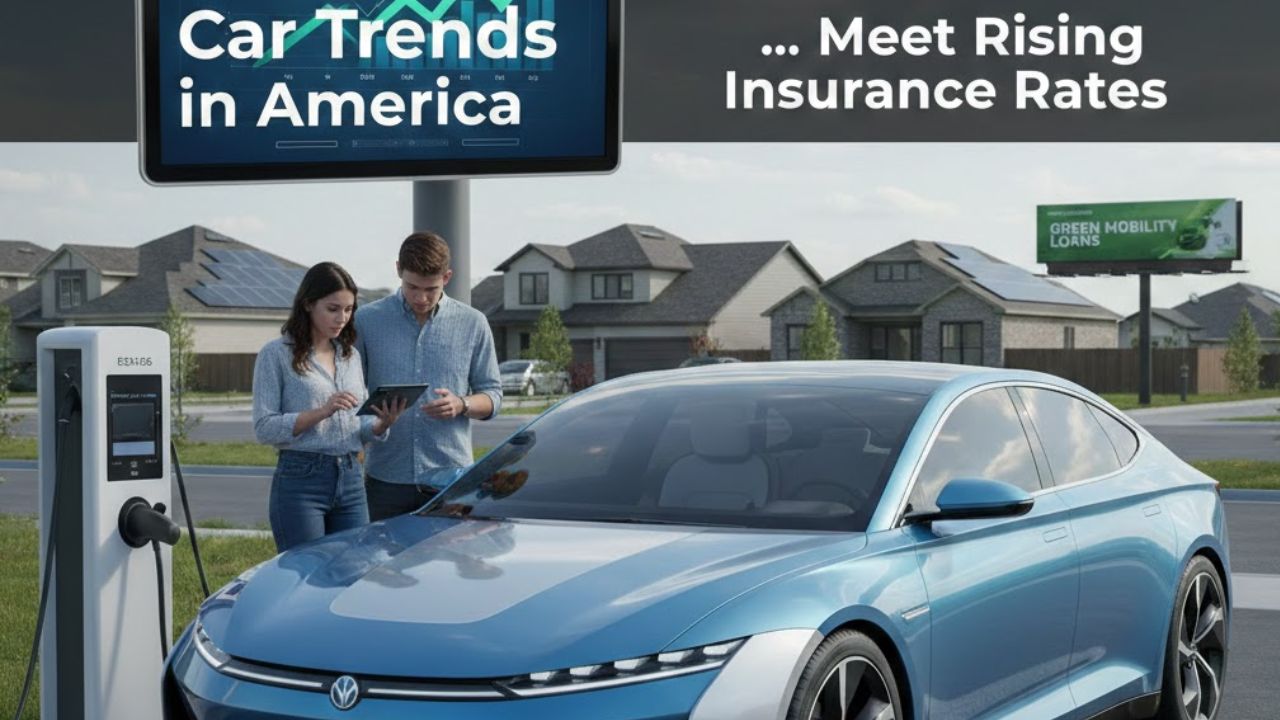
The American automotive landscape is currently undergoing a significant transformation. As we move through 2026, a clear “middle ground” has emerged for consumers who are wary of full electrification but exhausted by volatile gasoline prices. Hybrid Electric Vehicles (HEVs) have officially shifted from niche, premium alternatives to the primary choice for the average American household. This surge in popularity is driven by a new wave of affordability, as manufacturers have streamlined production to offer hybrid powertrains at price points nearly identical to traditional internal combustion engines. However, this newfound accessibility comes with a hidden catch that is catching many buyers off guard: a relentless climb in auto insurance premiums.
The Rise of the Value-Driven Hybrid
For years, the “hybrid premium”—the extra thousands of dollars paid upfront for a battery-assisted engine—was a major barrier to entry. In 2026, that barrier has largely vanished. Major automakers like Toyota, Ford, and Honda have optimized their assembly lines, treating hybrid tech as the standard rather than the exception. Models like the 2026 Toyota Corolla Hybrid and the Ford Maverick have set a benchmark for value, offering exceptional fuel economy without the “range anxiety” associated with fully electric vehicles. This shift has made “going green” a purely pragmatic financial decision for the first time, as the break-even point for fuel savings is now reached within the first year of ownership.
The Hidden Cost: Why Insurance Is Spiking
While the sticker price of a new car might look attractive, the cost of protecting that asset has taken a sharp turn upward. National insurance data for 2026 reveals that while general inflation has stabilized, auto premiums are rising at a disproportionate rate. The culprit is not just the frequency of accidents, but the complexity of the vehicles involved. Modern hybrids are packed with sophisticated Advanced Driver-Assistance Systems (ADAS), including lidar, radar, and cameras often housed in vulnerable areas like bumpers and windshields. What used to be a $500 “fender bender” in 2016 has evolved into a $4,000 repair job in 2026, as sensors must be replaced and recalibrated by specialized technicians.
Comparative Ownership Costs: 2026 Projections
| Vehicle Type | Average Purchase Price | Annual Fuel/Energy Cost | Average Annual Insurance |
| Traditional Gasoline | $32,000 | $2,400 | $2,150 |
| Affordable Hybrid | $34,500 | $1,100 | $2,550 |
| Full Electric (EV) | $46,000 | $700 | $3,200 |
The “Tech Tax” on Repairs
Insurance companies are increasingly imposing what industry experts call a “Tech Tax.” Because 2026 models are more “gadget” than “machine,” insurers are recalibrating their risk models to account for the high cost of digital components. Hybrid vehicles, in particular, carry the dual burden of high-voltage battery systems and intricate computer-controlled transmissions. Even a minor side-impact can compromise the battery casing, leading to a total loss write-off for a vehicle that appears superficially fine. Consequently, even though hybrids save you money at the pump, a portion of those savings is being diverted directly into the pockets of insurance providers to cover these heightened repair liabilities.
Regional Variations in Premium Hikes
The pain of rising insurance rates is not distributed equally across the United States. Drivers in states like New Jersey, Nevada, and Florida are seeing some of the highest hikes in the country, with some premiums jumping over 10% this year alone. These regions suffer from a “perfect storm” of high litigation costs, increased frequency of extreme weather events, and high vehicle theft rates. Conversely, rural states like Vermont and Idaho remain the most affordable places to insure a 2026 hybrid, though even these areas are beginning to feel the upward pressure as repair shops everywhere struggle with labor shortages and the rising cost of imported electronic parts.
Consumer Adaptation and Market Response
In response to these financial pressures, American consumers are changing how they shop for cars and coverage. The “Software-Defined Vehicle” trend—where physical buttons are replaced by massive touchscreens—is meeting resistance from some buyers who fear the long-term repair costs of such integrated systems. On the insurance side, there is a massive migration toward “Usage-Based Insurance” (UBI). By allowing insurers to track their driving habits through smartphone apps or telematics, many 2026 drivers are managing to shave 15% to 20% off their bills. This data-driven approach is becoming the only way for many families to keep their total cost of ownership within a reasonable budget.
Looking Ahead: The Hybrid Dominance
As we look toward the 2027 model year, the trend of affordable hybrids appears unstoppable. The infrastructure for EVs is growing, but it remains insufficient for a large portion of the American heartland. This makes the hybrid the “Goldilocks” solution for the foreseeable future. However, the industry is at a crossroads regarding repairability. Until manufacturers find a way to make high-tech sensors easier and cheaper to fix, the friction between affordable vehicle prices and expensive insurance premiums will remain the defining challenge for the American car buyer. Navigating the 2026 market requires looking beyond the monthly car payment and accounting for the “invisible” costs of modern technology.
FAQs
Q1. Are hybrids still more expensive to buy than gas cars in 2026?
The price gap has narrowed significantly. In many cases, the difference is now less than $2,000, which most drivers recoup through fuel savings in less than 18 months.
Q2. Why does insurance for a hybrid cost more than a standard car?
It comes down to repair complexity. Hybrids contain specialized electric motors and battery systems, along with expensive ADAS sensors that require costly professional recalibration after even minor collisions.
Q3. How can I lower my car insurance rates in 2026?
The most effective methods include opting for Usage-Based Insurance (telematics), bundling your auto and home policies, and shopping for models with high safety ratings and lower repair-cost scores.
Disclaimer
The content is intended for informational purposes only. you can check the officially sources our aim is to provide accurate information to all users.