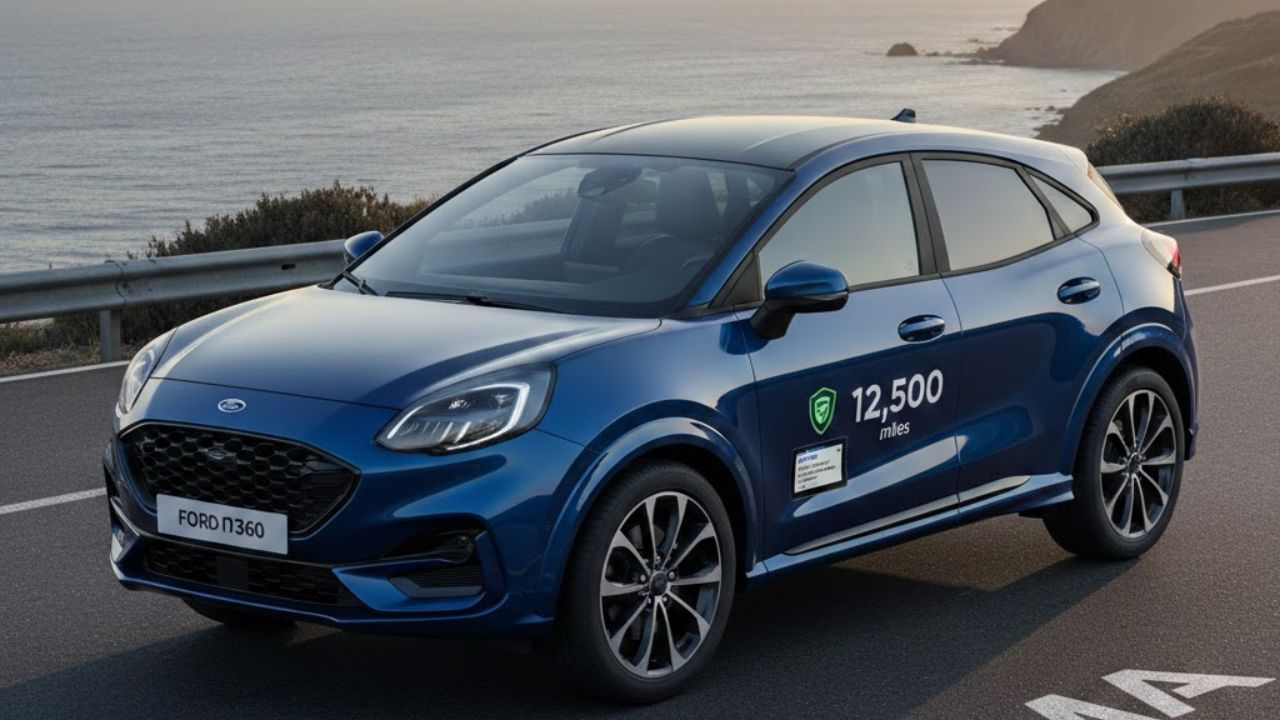
The Ford Puma has rapidly evolved from a sporty coupe of the nineties into one of the most successful compact SUVs on the modern market. Known for its agile handling and clever packaging, the 2025-2026 model year brings significant updates that solidify its position as a leader in the B-SUV segment. This article explores the latest enhancements, interior refinements, and performance metrics that make the Puma a top contender for urban families and driving enthusiasts alike.
Latest Updates and Design Refinements
The most recent iteration of the Ford Puma introduces a refreshed exterior and a completely overhauled digital cockpit. Visually, the updated Puma features new “fang-style” LED signature daytime running lights and a revised front grille that gives it a more aggressive, premium presence. The Ford “Blue Oval” badge has also been repositioned to the center of the grille, aligning it with Ford’s global design language. Beyond aesthetics, the biggest news for the 2026 lineup is the official introduction of the Puma Gen-E, the first all-electric version of the crossover, which aims to provide emission-free driving without sacrificing the model’s signature agility.
Performance and Mileage Expectations
Efficiency remains a cornerstone of the Puma’s appeal. Most models are powered by the award-winning 1.0-liter EcoBoost three-cylinder engine, paired with a 48-volt mild-hybrid (mHEV) system. This setup captures energy during deceleration to assist the engine, reducing fuel consumption and emissions. For drivers prioritizing economy, the 125 PS variant offers impressive real-world figures, often exceeding 50 mpg on combined cycles. Those seeking more punch can opt for the 155 PS version or the performance-oriented ST Powershift, which pushes output to 170 PS while maintaining respectable fuel efficiency.
Key Specifications at a Glance
The following table highlights the core technical data for the primary 2025-2026 Ford Puma configurations:
| Feature | 1.0L EcoBoost (125 PS) | 1.0L EcoBoost (155 PS) | Puma Gen-E (Electric) |
| Powertrain | 48V Mild-Hybrid | 48V Mild-Hybrid | Fully Electric |
| Transmission | 6-Spd Manual / 7-Spd Auto | 7-Spd Automatic | Single-Speed Auto |
| Fuel Economy | ~52.3 mpg (WLTP) | ~49.6 mpg (WLTP) | ~3.8 miles/kWh |
| 0-62 mph | 9.6 Seconds | 8.7 Seconds | 8.0 Seconds |
| Boot Space | 456 Liters | 456 Liters | 523 Liters (inc. GigaBox) |
Interior Tech and Comfort
Inside, the Puma has transitioned into a tech-forward sanctuary. The previous dashboard layout has been replaced by a much cleaner design featuring a 12.8-inch digital instrument cluster and a massive 12-inch central touchscreen. This new interface runs Ford’s latest SYNC 4 software, which is significantly faster and supports wireless Apple CarPlay and Android Auto. While some physical buttons for climate control have been integrated into the screen, the system remains intuitive. Premium touches like the B&O sound system and ambient lighting are available in higher trims, such as the ST-Line X, enhancing the overall cabin experience.
Practicality and the “Megabox”
One of the Puma’s unique selling points is its class-leading practicality. Despite its compact footprint, it offers a 456-liter boot that houses the famous “Megabox.” This is an 80-liter waterproof storage compartment located beneath the load floor, complete with a drain plug. It allows owners to store muddy boots or wet gear and then literally hose the compartment out. In the new electric Gen-E model, this feature has been expanded into the “GigaBox,” offering even more storage flexibility in the absence of a traditional fuel tank, making it one of the most versatile small SUVs for outdoor lifestyles.
Safety Standards and Driver Assistance
Safety remains a high priority for Ford, and the Puma continues to offer a comprehensive suite of “Co-Pilot360” technologies. Standard features across the range include Pre-Collision Assist with Autonomous Emergency Braking, Lane-Keeping Aid, and Traffic Sign Recognition. Newer updates have improved the Adaptive Cruise Control, which now features “Stop & Go” functionality for automatic models, making heavy traffic much less stressful. While earlier models carried a five-star Euro NCAP rating, the latest versions benefit from enhanced sensor hardware to better detect pedestrians and cyclists in low-light conditions.
Pricing and Trim Levels
The 2025-2026 lineup is structured into four main tiers: Titanium, ST-Line, ST-Line X, and the high-performance ST. The Titanium trim serves as a well-equipped entry point, while the ST-Line variants add sportier body kits and firmer suspension for better cornering. Prices typically start around £25,800 for the base mild-hybrid and can climb over £33,000 for the flagship ST model. With the arrival of the Gen-E, Ford is positioning the Puma to bridge the gap between traditional internal combustion engines and the future of electric mobility, ensuring there is a variant for every type of buyer.
FAQs
Q1. Does the Ford Puma come in a full electric version?
Yes, the 2025-2026 lineup includes the Ford Puma Gen-E, which is a fully electric variant offering approximately 230 miles of range and fast-charging capabilities.
Q2. What is the Ford Megabox?
The Megabox is a unique 80-liter waterproof storage space located under the boot floor. It features a drain plug, making it ideal for storing wet or dirty items that can be washed out later.
Q3. Is the Ford Puma good for long motorway drives?
Absolutely. With its mild-hybrid engines and advanced Adaptive Cruise Control, the Puma is stable and efficient at high speeds, providing a comfortable experience for long-distance travel.
Disclaimer
The content is intended for informational purposes only. you can check the officially sources our aim is to provide accurate information to all users