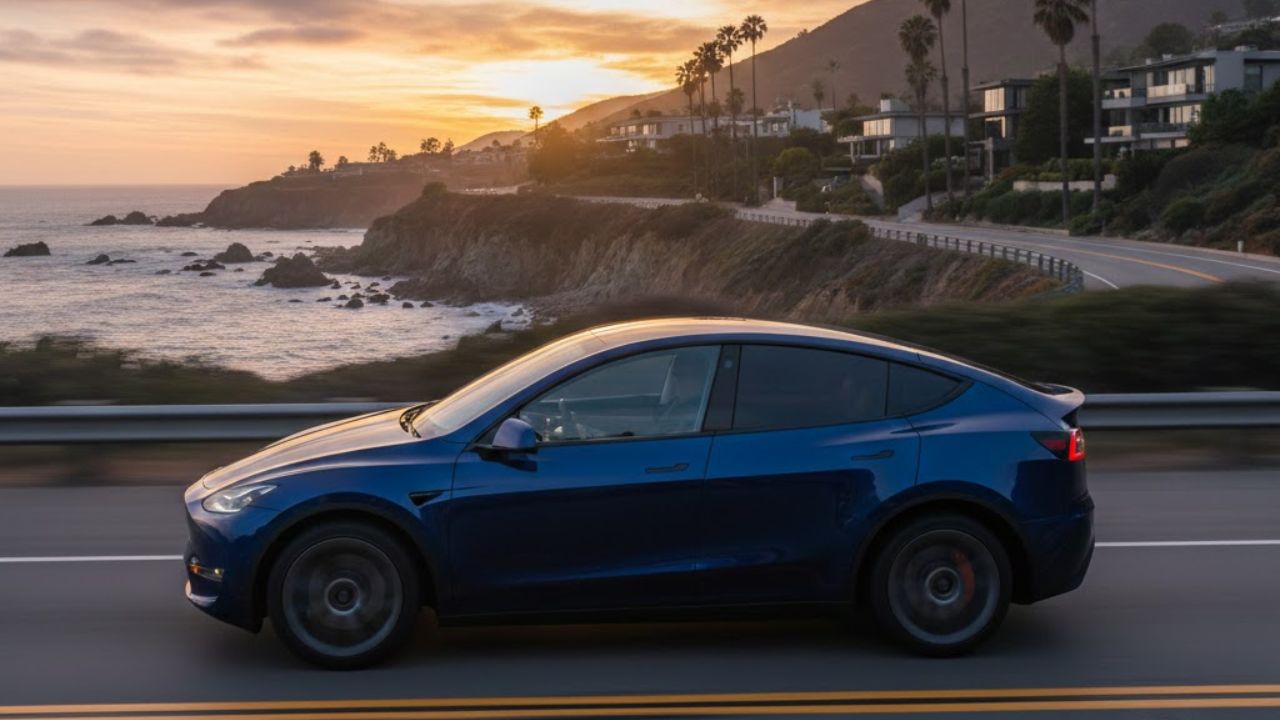
The Tesla Model Y remains the gold standard for electric compact SUVs, successfully blending family-oriented practicality with the tech-forward identity of the Tesla brand. As we move into 2026, the Model Y has undergone subtle yet significant refinements, often referred to as the “Juniper” updates. These changes focus on improving cabin quietness, smoothing out the ride quality, and squeezing more efficiency from the existing battery architecture. Whether you are a daily commuter or a weekend road-tripper, the Model Y offers a compelling package that balances raw speed with everyday usability.
Performance and Powertrain Dynamics
The Model Y’s performance is defined by its instant torque and effortless acceleration. The lineup typically starts with a Rear-Wheel Drive (Standard) version that provides a respectable 0-60 mph time of around 5.4 seconds. However, the Premium AWD and Performance trims are where the vehicle truly shines. The Performance variant, equipped with dual motors, can rocket to 60 mph in a staggering 3.3 seconds, rivaling many high-end sports cars. Beyond just straight-line speed, the updated suspension system for the latest model year has addressed previous criticisms of “stiffness,” offering a more damped and composed feel over potholes and uneven urban pavement.
Battery Range and Efficiency
Range anxiety is becoming a thing of the past with the Model Y’s latest efficiency gains. Thanks to improved aerodynamics and refined battery management software, the 2026 models offer some of the most competitive mileage figures in the industry. The Premium RWD model now leads the pack with an EPA-estimated range of up to 357 miles, while the All-Wheel Drive versions hover between 308 and 330 miles depending on wheel size. It is worth noting that Tesla’s use of Heat Pump technology ensures that these range figures remain more consistent even in colder climates, a feat many competitors still struggle to match.
Real-World Driving and Range Accuracy
In recent independent testing, such as the Edmunds EV Range Test, the latest Model Y has shown a remarkable ability to meet or even exceed its official EPA ratings. While older generations often fell short of their advertised numbers, the 2026 Standard model recently clocked in at 337 miles of real-world driving—surpassing its 321-mile estimate. On the highway at sustained speeds of 70 mph, drivers can generally expect about 85-90% of the rated range, which is highly efficient for a vehicle of this size. The steering is progressive and calm, making it an easy vehicle to pilot through tight city streets or long stretches of interstate.
Technical Specifications Comparison
To better understand how the different trims stack up, the following table breaks down the core metrics of the current Model Y lineup:
| Feature | Standard RWD | Premium AWD | Performance AWD |
| 0-60 mph Acceleration | 5.4 Seconds | 4.6 Seconds | 3.3 Seconds |
| EPA Estimated Range | 321 Miles | 327 Miles | 306 Miles |
| Top Speed | 135 mph | 135 mph | 155 mph |
| Drivetrain | Single Motor RWD | Dual Motor AWD | Dual Motor AWD |
| Wheels (Standard) | 18″ Gemini | 19″ Nova | 21″ Überturbine |
Interior Comfort and Technology
Stepping inside the Model Y reveals a minimalist sanctuary that has been upgraded with higher-quality materials and better sound insulation. The 16-inch central touchscreen remains the command center for everything from navigation to climate control, now boasting faster response times and a higher-definition display. A new 8-inch rear touchscreen allows passengers to control their own climate settings and entertainment, a feature previously reserved for the more expensive Model S and X. The “Juniper” update also introduces ventilated front seats and wrap-around ambient lighting, finally giving the interior the premium feel that matches its price point.
Charging Infrastructure and Convenience
One of the strongest arguments for choosing a Model Y is the Tesla Supercharger network. With the ability to add up to 160 miles of range in just 15 minutes, long-distance travel is nearly as convenient as driving a gasoline vehicle. The car’s onboard navigation automatically plans your route around these chargers, pre-conditioning the battery as you approach to ensure maximum charging speeds. For home charging, the Model Y supports up to 11 kW AC charging, allowing for a full “refill” overnight, which is the most cost-effective way to operate the vehicle.
Practicality and Cargo Space
Unlike many electric SUVs that sacrifice space for styling, the Model Y is a masterclass in packaging. It offers a massive 76 cubic feet of total cargo space when the rear seats are folded flat. The “frunk” (front trunk) provides additional storage for charging cables or groceries, while the deep sub-trunk in the rear is perfect for hiding valuables. The flat floor design ensures that three adults can sit comfortably in the back without a bulky transmission tunnel in the way, making it an ideal choice for families.
Final Verdict: Is it the Best EV?
While the competition from brands like Rivian, Hyundai, and Kia is fiercer than ever, the Tesla Model Y remains the most well-rounded EV on the market. Its combination of class-leading efficiency, a robust charging network, and supercar-level performance makes it difficult to beat. The latest refinements have smoothed out the “rough edges” of previous years, resulting in a vehicle that is not just a tech gadget on wheels, but a genuinely comfortable and luxurious daily driver.
FAQs
Q1. How long does it take to charge a Tesla Model Y?
Using a Tesla Supercharger, you can charge from 10% to 80% in approximately 25 to 30 minutes. At home with a Level 2 wall connector, a full charge typically takes 8 to 10 hours.
Q2. Does the Model Y come with Full Self-Driving?
Every Model Y comes standard with Autopilot (Adaptive Cruise Control and Lane Centering). The “Full Self-Driving (Supervised)” capability is available as an optional upgrade or a monthly subscription.
Q3. What is the difference between the Long Range and Performance models?
The Premium AWD (formerly Long Range) focuses on maximizing mileage and a softer ride, while the Performance trim offers faster acceleration, a higher top speed, larger wheels, and upgraded brakes.
Disclaimer
The content is intended for informational purposes only. you can check the officially sources our aim is to provide accurate information to all users